





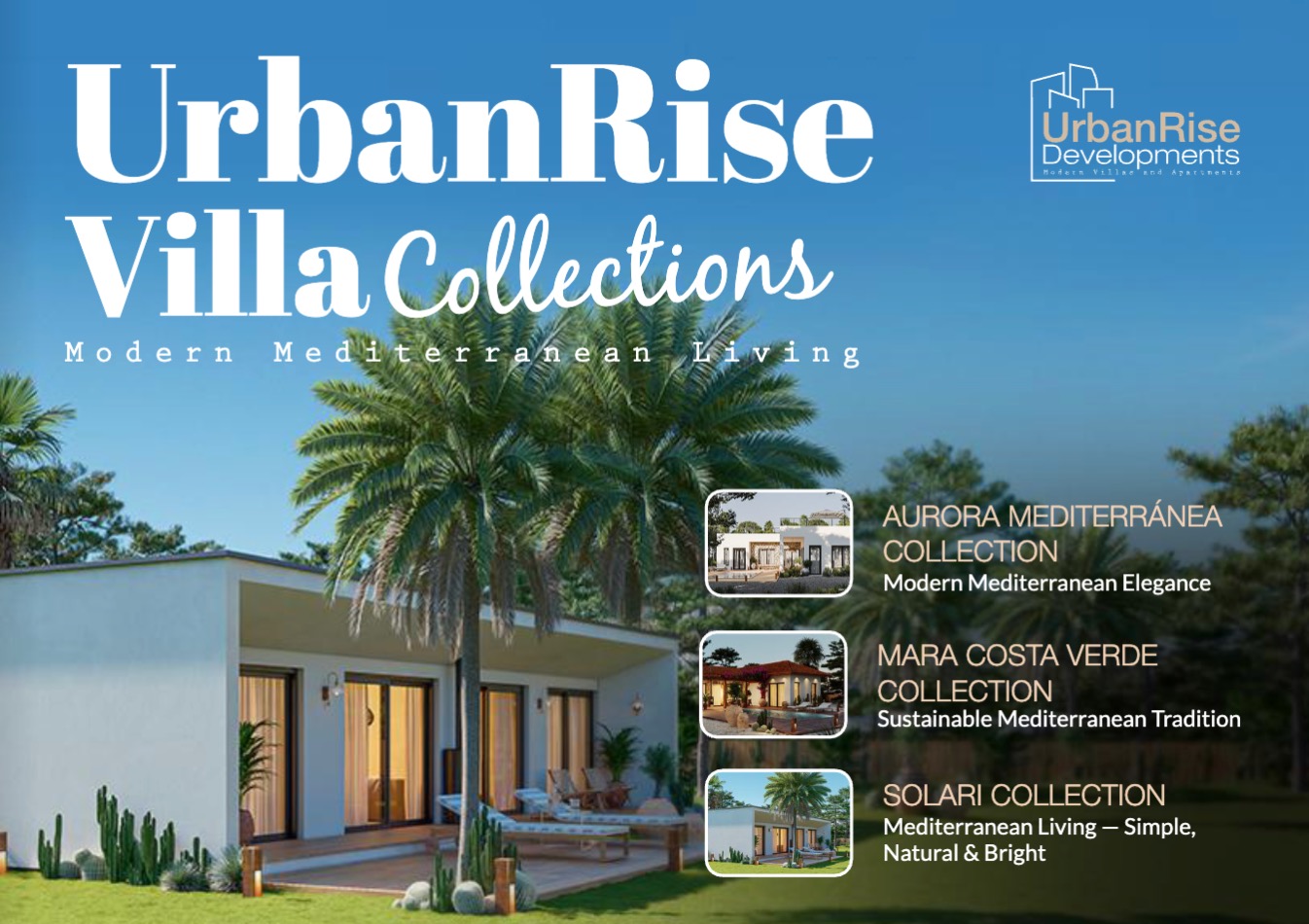
In the coming years, housing regulations in Spain will change significantly. New European directives require homes to be more energy-efficient and better insulated. From 2030 onward, stricter requirements are expected for energy labels, insulation, and energy consumption in homes.
For many older homes in Spain, this can mean renovations are necessary before they can be sold or rented out. At the same time, new construction techniques, such as high-quality insulation materials, vapor-permeable facade systems, and energy-efficient prefabricated homes, ensure that modern homes are better prepared for the future.
In this article, we explain what changes are coming, what they mean for homeowners and buyers, and why sustainable building methods are becoming increasingly important in the Spanish housing market.
Many people do not yet realise what will happen to the housing stock between 2027 and 2035.
The big problem: Spanish homes are poorly insulated
Most homes in Spain were built before 2006, but even long after that year, standards in Spain were particularly low for home insulation.
That year the first serious energy standard was introduced:
Código Técnico de la Edificación (CTE).
Before that time the following applied:
hardly any insulation
single glazing
lots of concrete without thermal break
poor roof insulation
Result:
Energy label | Percentage of homes in Spain |
A–B | ±5% |
CD | ±20% |
E | ±30% |
F–G | ±45% |
So about 75% of the houses fall under label D.
A major rush for renovations will continue in the coming years
What Europe wants in 2030
The new European rules come from the
Energy Performance of Buildings Directive (EPBD).
Goal:
drastically reduce energy consumption of homes
accelerate renovation of old houses
For Spain that probably means:
Year | Minimum energy class |
2030 | label E |
2033 | label D |
2040+ | direction A/B |
Houses with label F or G must therefore be renovated.
Why renovation is often not profitable
Many existing homes are structurally difficult to improve.
Problems:
Concrete construction
Many Spanish houses are:
concrete frame
brick infill
This makes insulating difficult and very expensive.
Facade insulation
Options:
Insulate inside
loss of space
moisture problems
External insulation (SATE / ETICS)
€80–150 per m² facade
Insulating the roof
Often needed:
roof open
new insulation
new roofing
Replacing windows
New windows often cost:
€6,000 – €20,000 per house
Typical renovation costs
Renovation | Costs |
facade insulation | €10,000 – €30,000 |
roof insulation | €8,000 – €20,000 |
windows | €6,000 – €20,000 |
installations | €5,000 – €15,000 |
Total upgrade to label D: €30,000 – €80,000
For many houses this is not economically interesting.
That's why there will be a huge replacement market
Many homes will not be renovated but demolished or replaced.
Reasons:
renovation duration
strict energy requirements
new construction faster
And Spain has a second problem:
Shortage of construction workers
According to the Spanish Ministry, the construction sector has:
700,000 worker shortage by 2030
Many construction workers are:
over 50
little new inflow
That's why prefabricated is growing so fast
Prefabricated construction solves several problems at once:
✔ less labor
✔ faster construction
✔ better insulation
✔ predictable costs
Prefabricated houses often automatically achieve:
label A or B
low energy costs
Why timber construction is extra interesting
Timber frame construction has major advantages for energy requirements:
Insulation value
For example a wall:
140 mm wood + insulation
extra external insulation
U-value:
0.15 – 0.20 W/m²K
That is much better than traditional construction.
The market that is created
According to several studies, in Spain by 2050:
10 million homes will be renovated or replaced
That is one of the largest construction transitions in Europe.
The expectation:
Year | Prefabricated share |
2024 | ±3% |
2030 | ±10% |
2040 | ±25% |
Prefabricated buildings are already available in Northern Europe:
40–50%
UrbanRise
Prefabricated partner of IMMO ABROAD: the building concept fits perfectly with this trend:
modern prefabricated production
energy-efficient villas
international buyers
And foreign buyers are increasingly paying attention to:
energy consumption
maintenance costs
sustainability
A new prefabricated house with label A is therefore much more attractive than an old house with label F.
Where the greatest opportunities lie in Spain for construction companies
Not only on the coast, strong growth areas:
Costa Blanca
international buyers
Murcia / Costa Calida
affordable land
Valencia region inland
many outdated homes, more foreign buyers looking for space
Andalusia
huge renovation need
Tarragona
Many building plots close to the coast at attractive prices
Cadiz / Costa de La Luz
Many building plots close to the coast at attractive prices
New construction techniques that will make homes in Spain ready for 2030
In addition to stricter energy regulations, new building systems are also emerging that make homes more sustainable, fire-safe, and low-maintenance. Innovative materials are being used, particularly in prefabricated and timber-frame construction, which perform far better than traditional Spanish construction.
A good example of this are systems with wood fibre insulation and vapour-permeable facades.
Wood fiber insulation – for example Steico Flex
An important development is the use of natural wood fibre insulation, such as Steico Flex.
This insulation consists of compressed wood fibres and is used in:
walls
roofs
floors
The material has several advantages:
very good thermal insulation
excellent sound insulation
moisture-regulating
fully recyclable
In addition, it is flexible, which means it fits perfectly between wooden studs and cold bridges are reduced.
Another advantage is that wood fibre insulation retains heat for longer, keeping homes in warm climates such as Spain cooler in summer.
Facade panels such as Steico Universal Dry
Another innovative technique is the use of wood fibre facade panels such as Steico Universal Dry.
This type of plate has several functions at the same time:
thermal insulation
windproofing
rain protection
carrier for plaster or render
In other words: one panel replaces several layers in the facade construction.
In addition, these plates are:
water-repellent
vapour permeable (moisture can diffuse to the outside)
suitable for direct plaster finishing
This makes them ideal for energy-efficient prefabricated houses.
Vapor-open facade systems
An important difference from traditional construction is that modern systems are vapour-open.
That means:
moisture can escape from the structure
no condensation in the wall
less chance of mold
Wood fibre insulation can absorb moisture and release it later, keeping the indoor climate more stable.
This is a great advantage in the Mediterranean climate.
Flexible mineral render (maintenance-free facade)
These insulation panels are often covered with a flexible mineral plaster or render.
Benefits of these new renders:
elastic (does not crack when the structure moves)
water-repellent
vapor-open
virtually maintenance-free
long lifespan
This makes it possible to combine a smoothly plastered facade with timber frame construction.
Fire safety of wood fiber insulation
Many people think that wood fiber is less fire-resistant than synthetic insulation, but in practice it is often safer.
Wood fiber insulation:
chars on the outside when burned
forms a protective layer
produces less toxic smoke
However, some synthetic insulations such as EPS can melt and drip in a fire.
That is why wood fibre systems are increasingly used in sustainable and fire-safe homes.
Why these techniques are important for the future
Due to stricter energy requirements, traditional construction in Spain will become increasingly difficult to meet.
New systems such as:
wood fiber insulation
vapour-open constructions
flexible renders
prefabricated walls
Make it possible to build homes with:
energy label A or higher
very low energy costs
healthy indoor climate
minimal maintenance costs
The construction sector in Spain is facing a major transition.
New regulations on energy performance encourage the use of modern building systems such as wood fiber insulation, vapor-permeable facades, and low-maintenance renderings.
These techniques make homes:
more energy efficient
more sustainable
fire safety
more comfortable
This offers a huge opportunity for companies that focus on prefabricated and timber frame construction, as this construction method perfectly matches the requirements of the future.
Why 2030 will be a tipping point
I expect three things to happen simultaneously around 2028–2032:
Stricter energy rules
Higher energy prices
Shortage of construction workers
This makes traditional construction increasingly expensive.
Prefab often becomes:
faster
cheaper
more energy efficient
In the Netherlands and Germany it is already clear that prefabricated construction can often be built 30-40% faster than traditional construction.